stories
a tale or two from the road and home
.








DAYS 155 - 160: POTOSI - BOLIVIA (PART TWO)
“Amigo, hold this.”
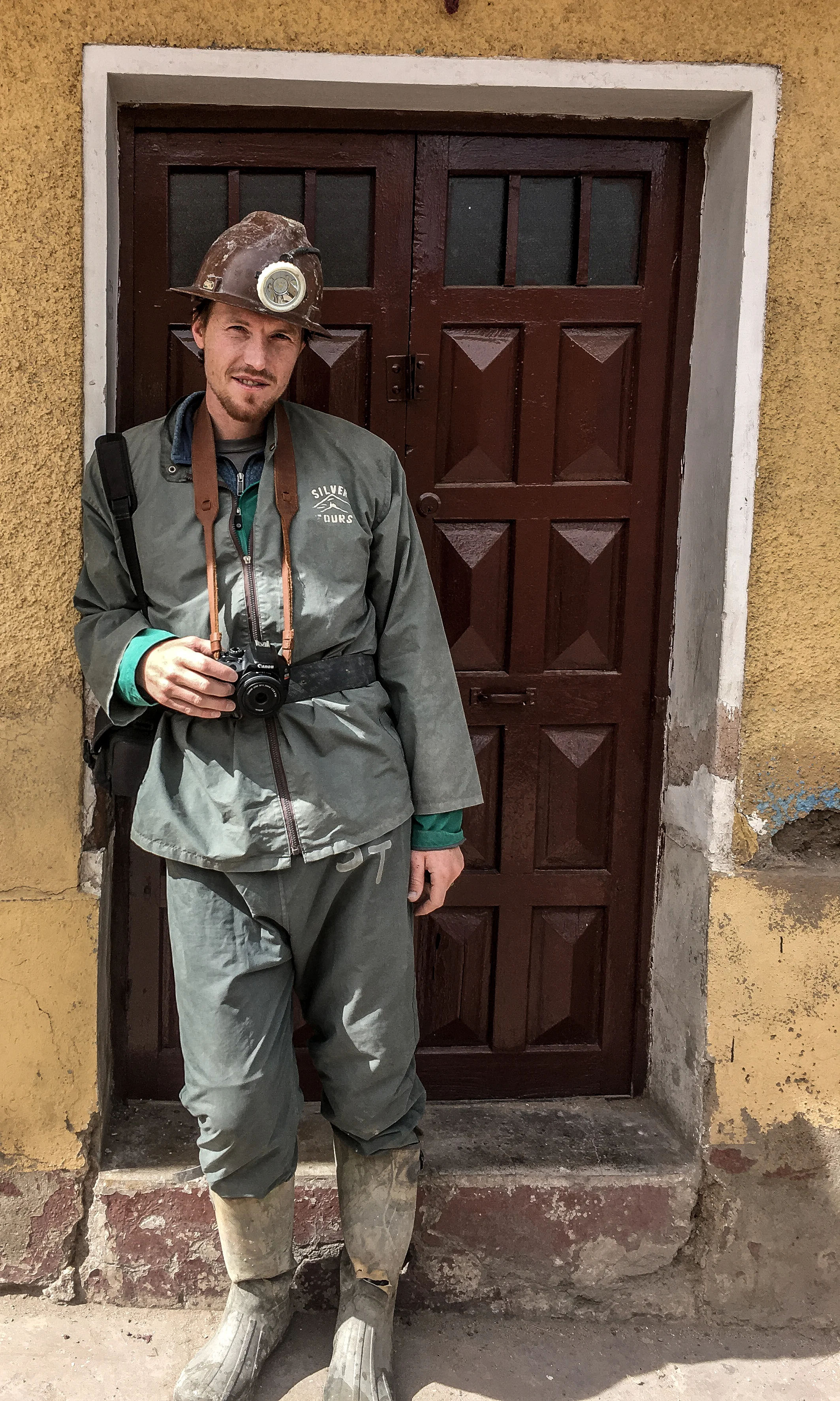
Immediately, I regretted stretching out my hand as our tour guide placed a charged stick of dynamite into my palm. The rest of the group backed away in disbelief. McKenzie stayed by my side long enough to take a picture before retreating herself. After lighting a “3-minute” fuse and jamming the stick into a hole in the wall, I hurried towards the others up the narrow mineshaft - our guide calmly taking his time behind me. About two and half minutes later a burst of the wind from the explosion echoed by us. This was not your typical mine tour.
P O T O S I , B O L I V I A
“Amigo, hold this.”
Immediately, I regretted stretching out my hand as our tour guide placed a charged stick of dynamite into my palm. The rest of the group backed away in disbelief. McKenzie stayed by my side long enough to take a picture before retreating herself. After lighting a “3-minute” fuse and jamming the stick into a hole in the wall, I hurried towards the others up the narrow mineshaft - our guide calmly taking his time behind me. About two and half minutes later a burst of the wind from the explosion echoed by us. This was not your typical mine tour.
Potosi, Bolivia is a charming town with a not so charming reality. At 13,500 feet in elevation, it is also one of the highest cities on earth. Over the past week, we had travelled over 2,000 miles north by bus, boat, air, and Jeep. We needed a break from the road, time to update our family with our whereabouts, and we were well overdue for a date with the laundromat. So we decided to stick around for a few days and spend some time exploring.
The town is built on Cerro Rico Mountain, which has a rich mining history dating back to the Spanish Empire in the 15th and 16th centuries. Most of the silver that it was originally known for has been all but gutted - but the mining for other minerals, such as Zinc, continues to this day in a very outdated and uncontrolled environment. The mountain is literally crumbling in on itself from overuse.
It is reported that an estimated 8 MILLION lives have been lost over the years in the bellies of the shafts, giving it the nickname “Man eating mountain.” However, with few better employment alternatives in the area, an estimated 15,000 miners, including children, still trudge into these conditions daily. The average lifespan of a miner in Potosi is 40. Miners that survive 25 years of horrible working conditions often die of a lung disease called silicosis from the inhalation of years of dust. It’s a struggle of a life with a very bleak outlook. A human labor disaster.
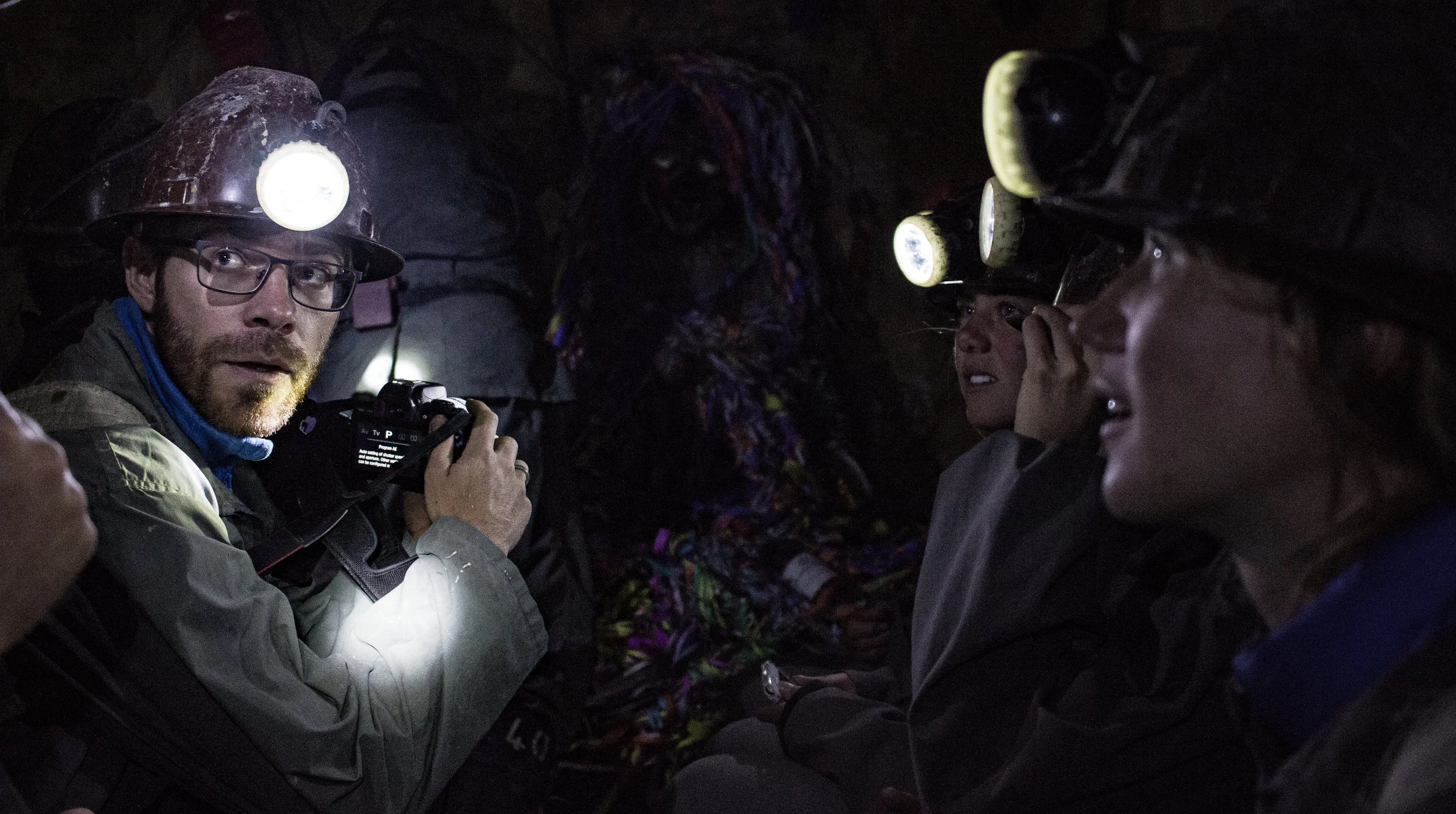
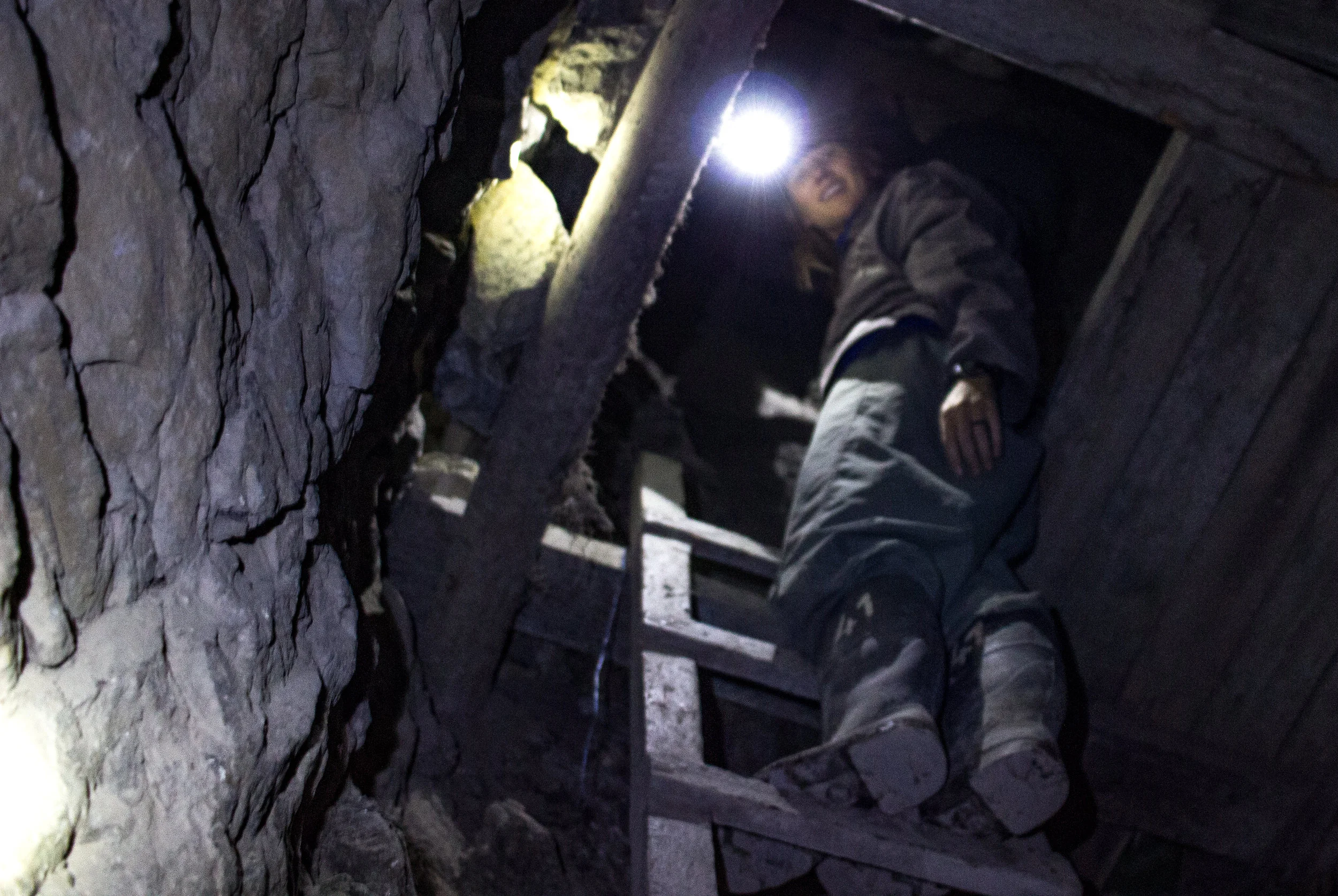
We started the tour by chewing coca leaves, drinking alcohol and pouring out an “offering” to “El Tio”, the devil god, to ask for safe passage through the active mine. These are rituals that all miners adhere to before entering. We then entered the main artery, a shaft about wide enough for a single shopping cart and so short enough that we had to crouch while walking. The light behind us disappeared after a couple hundred yards. There was barely any oxygen outside the mines at this altitude, but inside, there was far less. Walking was laborious, slow and unnerving.
We passed by, what seemed like hundreds of other tunnels - branching out from the main mineshaft. There were no signs or road crossings. These were even narrower and darker than the one we were in. It felt as if you were suffocating within a closed refrigerator one moment then locked in the backseat of car on a smoldering hot summer day with the windows up the next. All the while, you couldn’t help but think you were touring through one of the world’s largest graveyards.
The deeper we ventured into the mine, the more the tour group members fought to stay up front close to the guide, fearing a wrong turn would leave you left behind and lost in the maze of underground tunnels.
The scariest part was descending series of rickety ladders. All were dead vertical, many missing valuable rungs, and had protruding rusty nails that caught loose clothing. The ladders looked like they could barely hold one person let along a tour group. Kenzie and I gave each other a look of, “What the hell did we get ourselves into this time?” When we rock climb, we can see the ground. Here, the glimmer of our headlights dropped into a black abyss.
We passed a group of miners working, each of their faces stained with dirt and sweat. We gave them gifts that we bought at the miners village and in return they answered a few of our group's questions as they drank our juice and refilled their coca leaf bolos.
Thankfully, just as we both thought we couldn’t bear the claustrophobia any longer, our guide turned us around and started leading us through darkness, back up the ladders and towards the opening of the mine. Our eyes squinted tight as they desperately tried to adjust to the incoming light.
Back in town, we were quickly brought from our sobering encounter as Potosi started its preparations for Carnival, a multi-week celebration here similar to Mardi Gras. We we sprayed by foam by playful kids and sipped coffee as parades and music started to engulf the city. We enjoyed this side of the Potosi story much better. And were feeling a little extra blessed that our biggest worry that week was trying to find the next laundromat.
-Brad



DAYS 152 - 154: SAN PEDRO TO UYUNI - BOLIVIA (PART ONE)
McKenzie and I both took a pinch of coca leaves from a plastic bag handed back from our driver, Orlando, and stuffed them into the sides of our cheeks. The leaves, Orlando explained, helped prevent altitude sickness - (they’re also the same ones used to make cocaine). In a matter of one day we had gone from sea level to 16,500 feet. And after watching another guest get carried back to the Jeep and in rough shape, a hard sell wasn’t needed. It wasn’t as if we would be drug tested anytime soon.
S A L A R D E U Y U N I , B O L I V I A
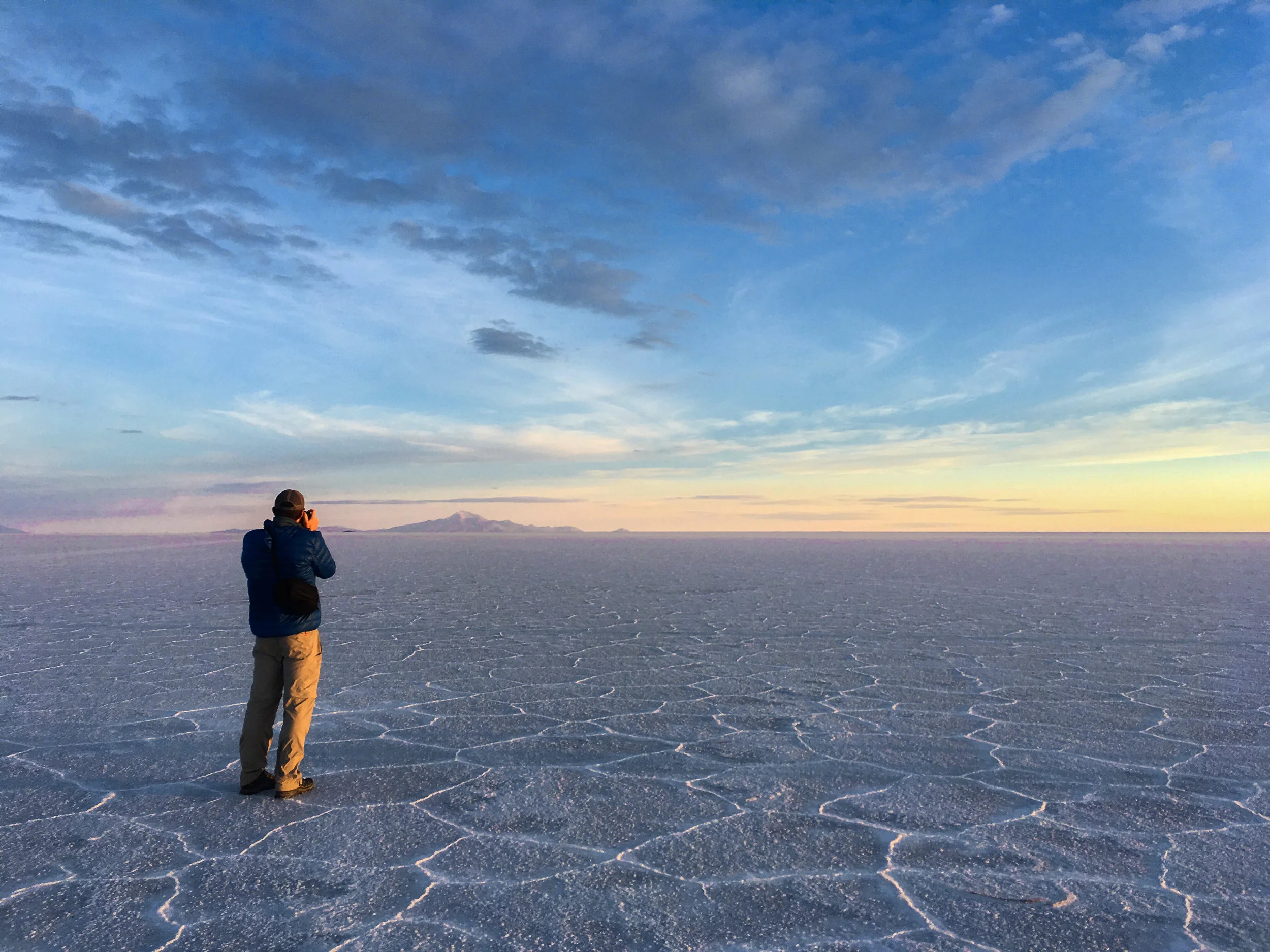
McKenzie and I both took a pinch of coca leaves from a plastic bag handed back from our driver, Orlando, and stuffed them into the sides of our cheeks. The leaves, Orlando explained, helped prevent altitude sickness - (they’re also the same ones used to make cocaine). In a matter of one day we had gone from sea level to 16,500 feet. And after watching another guest get carried back to the Jeep and in rough shape, a hard sell wasn’t needed. It wasn’t as if we would be drug tested anytime soon.
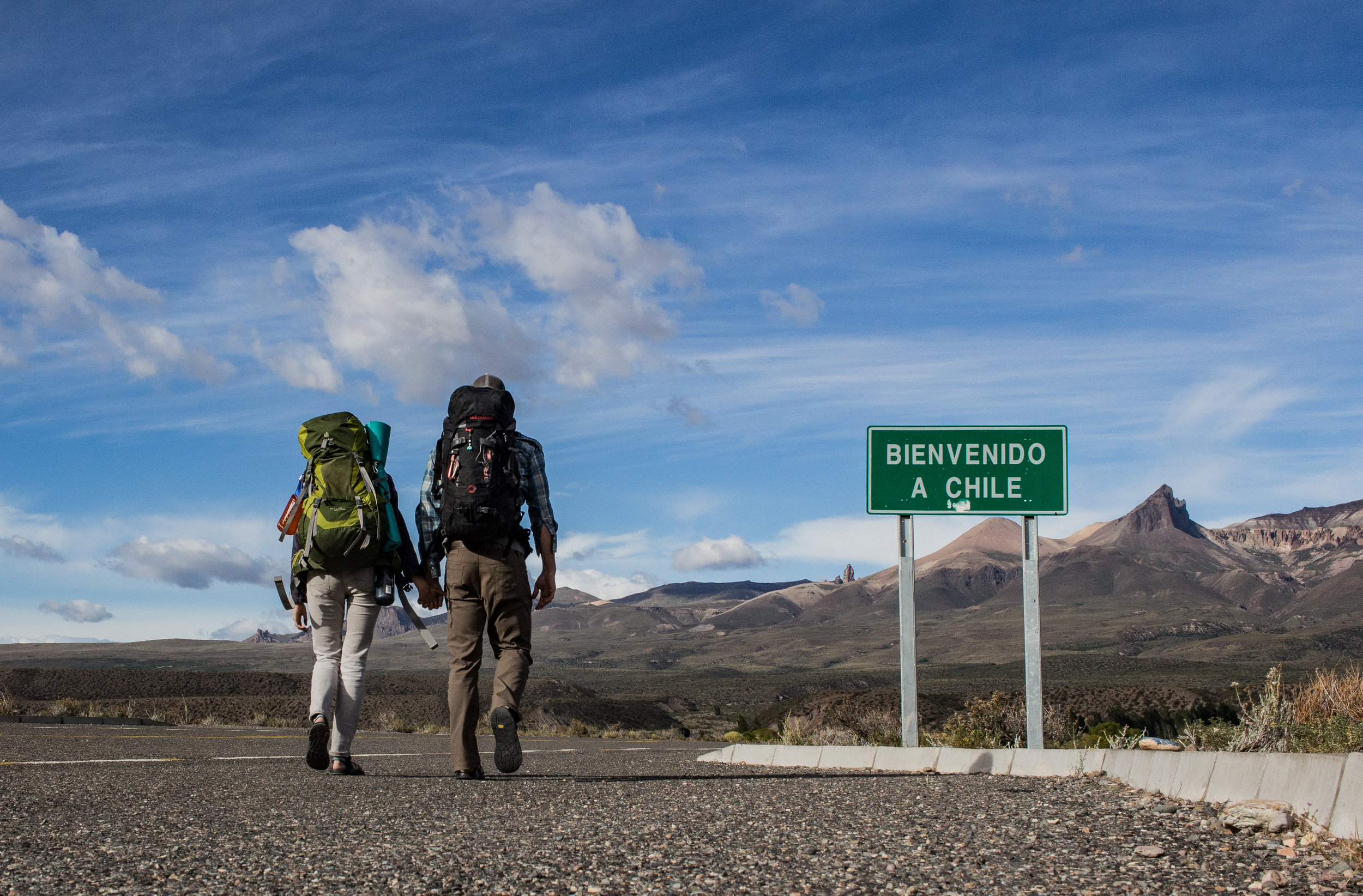
We had crossed into Bolivia earlier that morning from a small outpost in northern Chile - just outside the city of San Pedro De Atacama. After being hassled for a bit at the Bolivian border, we had piled into a burly Toyota Land Cruiser and met Orlando, a stocky grizzled Bolivian that spoke only Spanish and who would be charting our course through the sea of high elevation gravel that stretched for miles in front of us.
Over the next three days, Orlando drove us, and two other couples, over 400 miles to Uyuni, Bolivia. We traveled on beaten down jeep paths, barely distinguishable from the open terrain - always ending up in some tiny village in the middle of nowhere. Hidden in between those villages however, were magnificent natural wonders and some of the most remote and amazing country we’ve ever experienced.
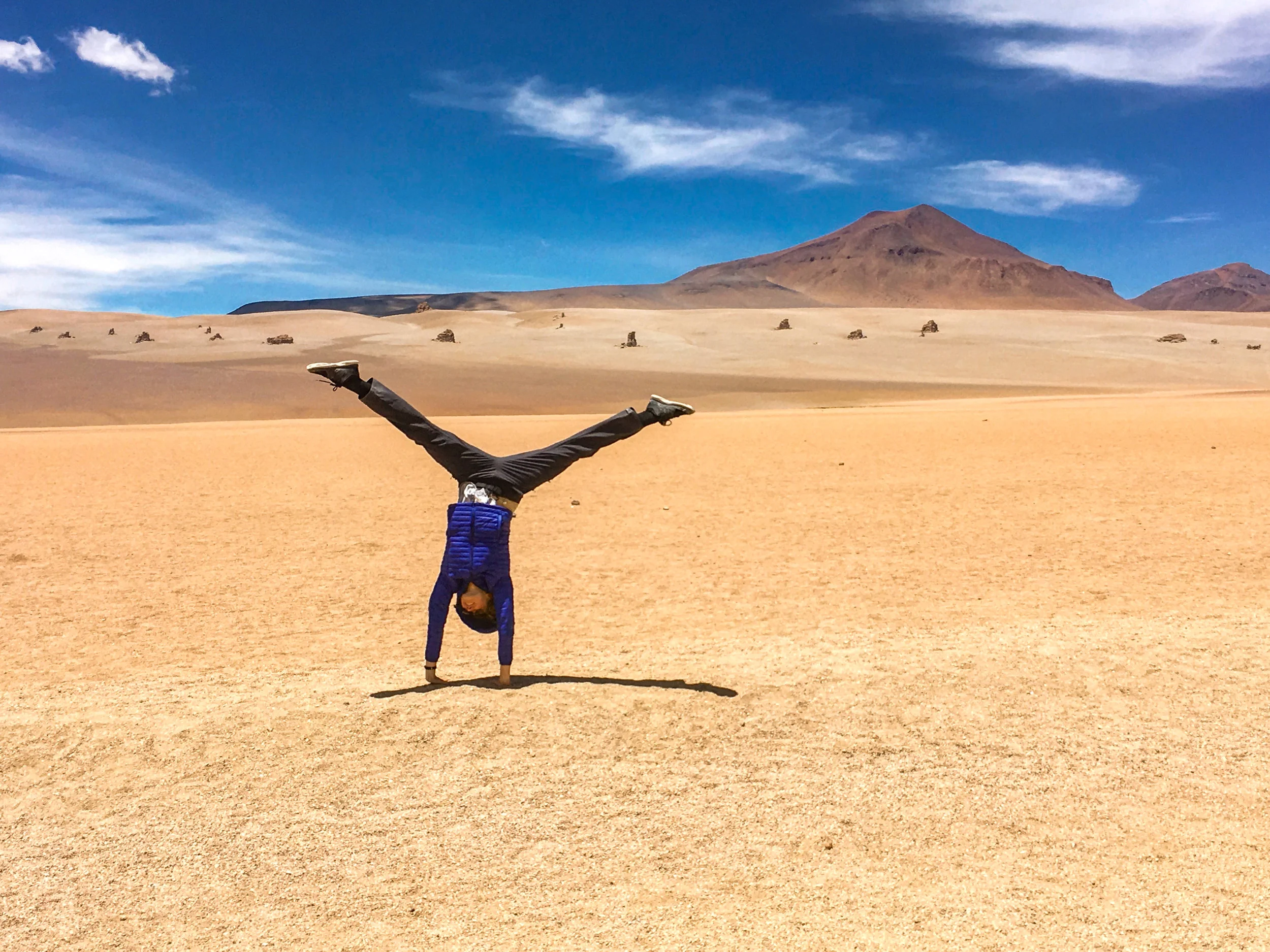
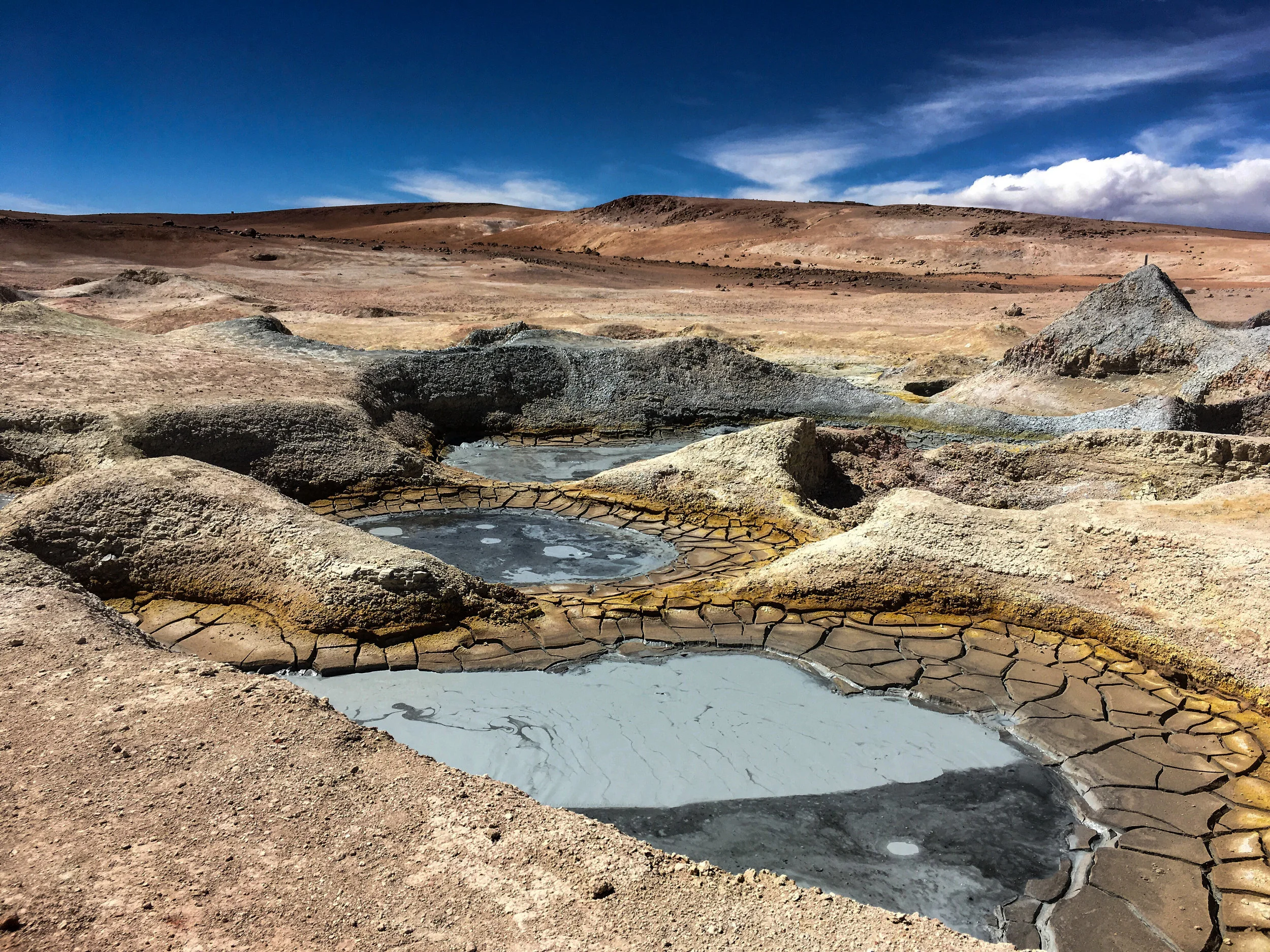
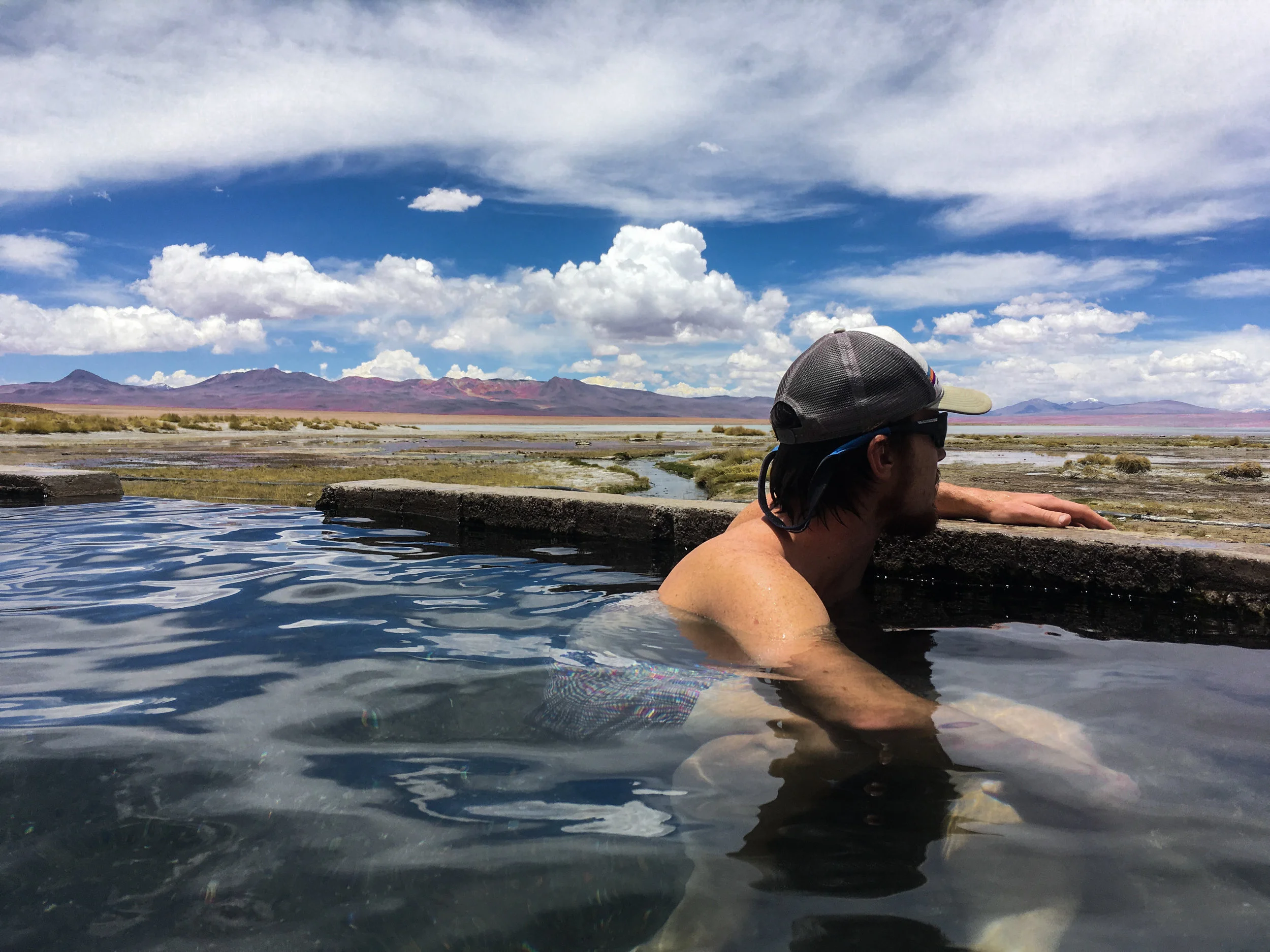
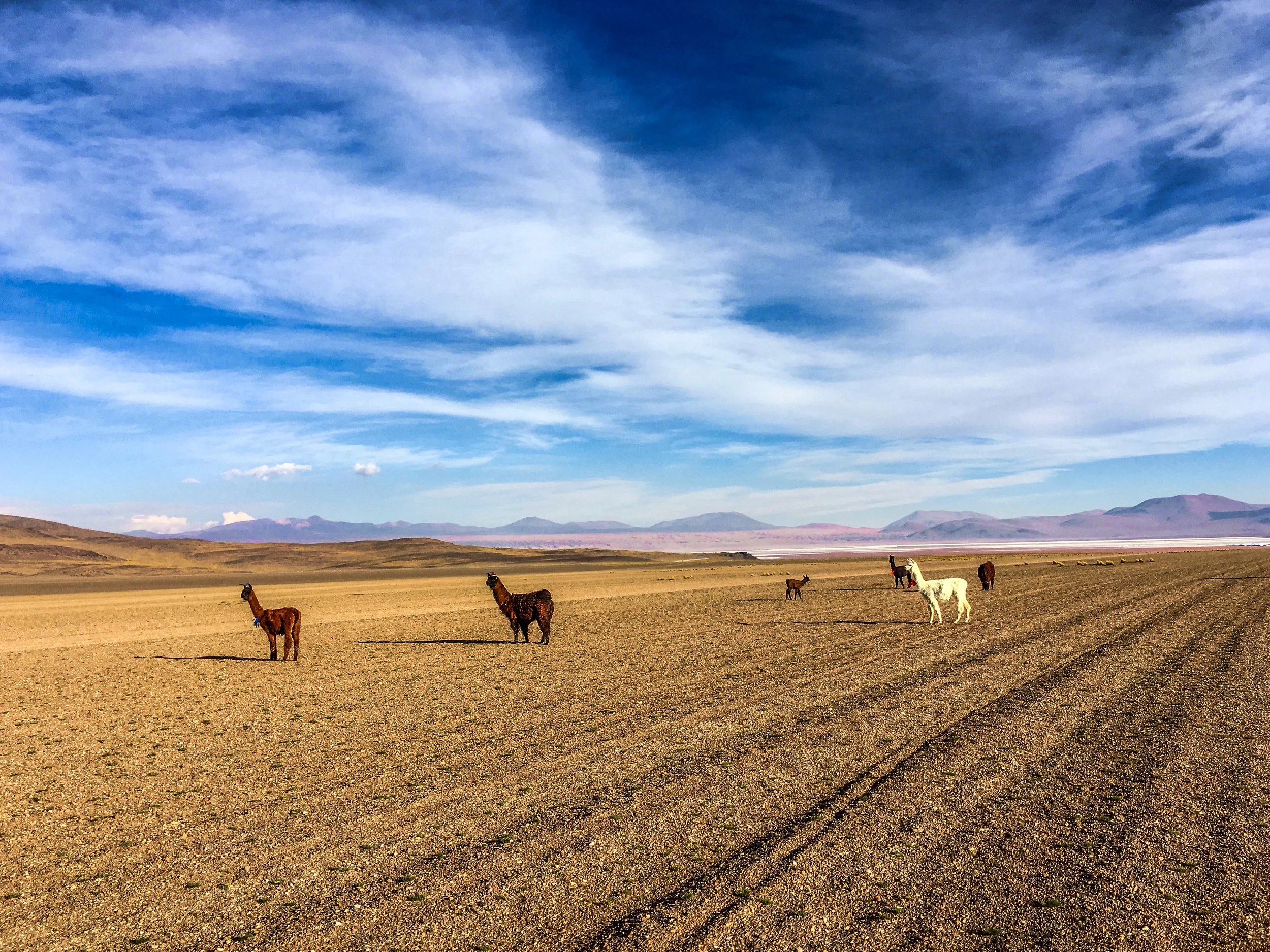
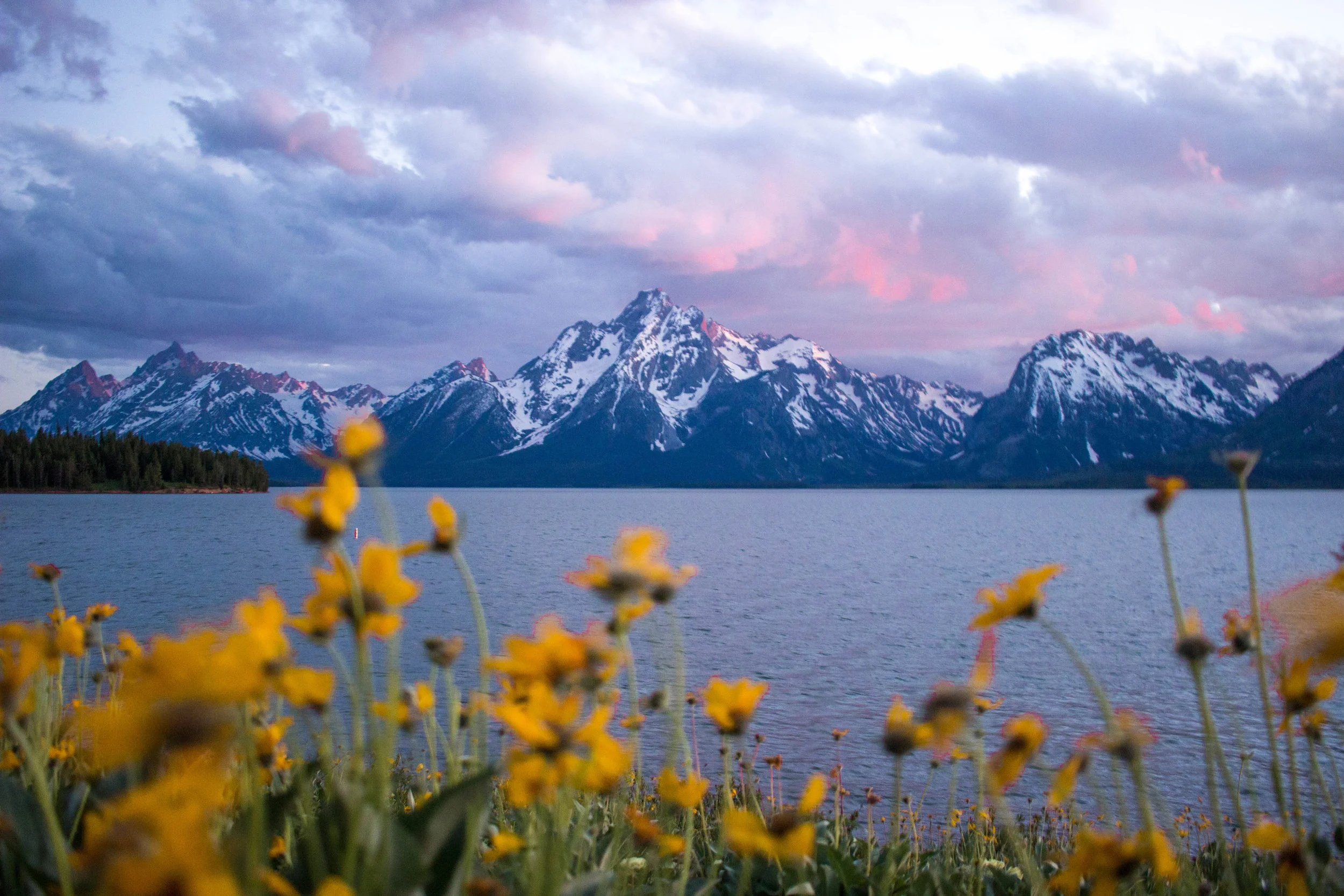
We passed reflections of perfectly snow capped volcanos in emerald lakes. We drove through the high alpine desert that inspired Salvador Dali. We dangled our legs off the rim of Bolivia’s grand canyon. Hiked through slot canyons to hidden lagoons. Peered over bubbling geysers. Stopped to chase grazing llamas and took pictures of flamingos feeding in red lakes. We ate lunches prepared by tiny Bolivian women in their dirt and brick walled homes, soaked in hot springs, and sipped cactus beers in a deserted rail yard town. Everyday was action-packed. The next sight better than the last. It felt like speed dating Bolivia’s most scenic attractions.
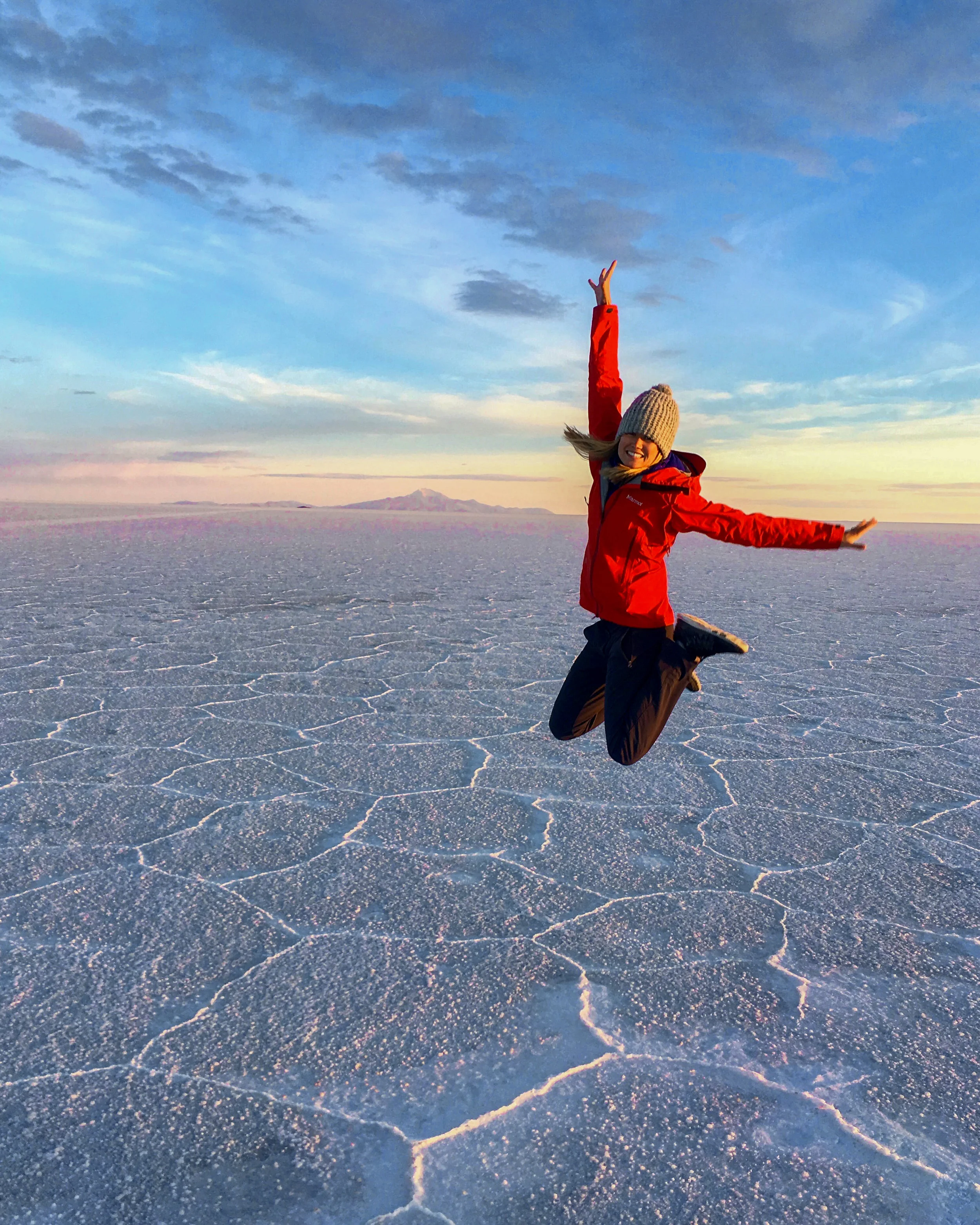
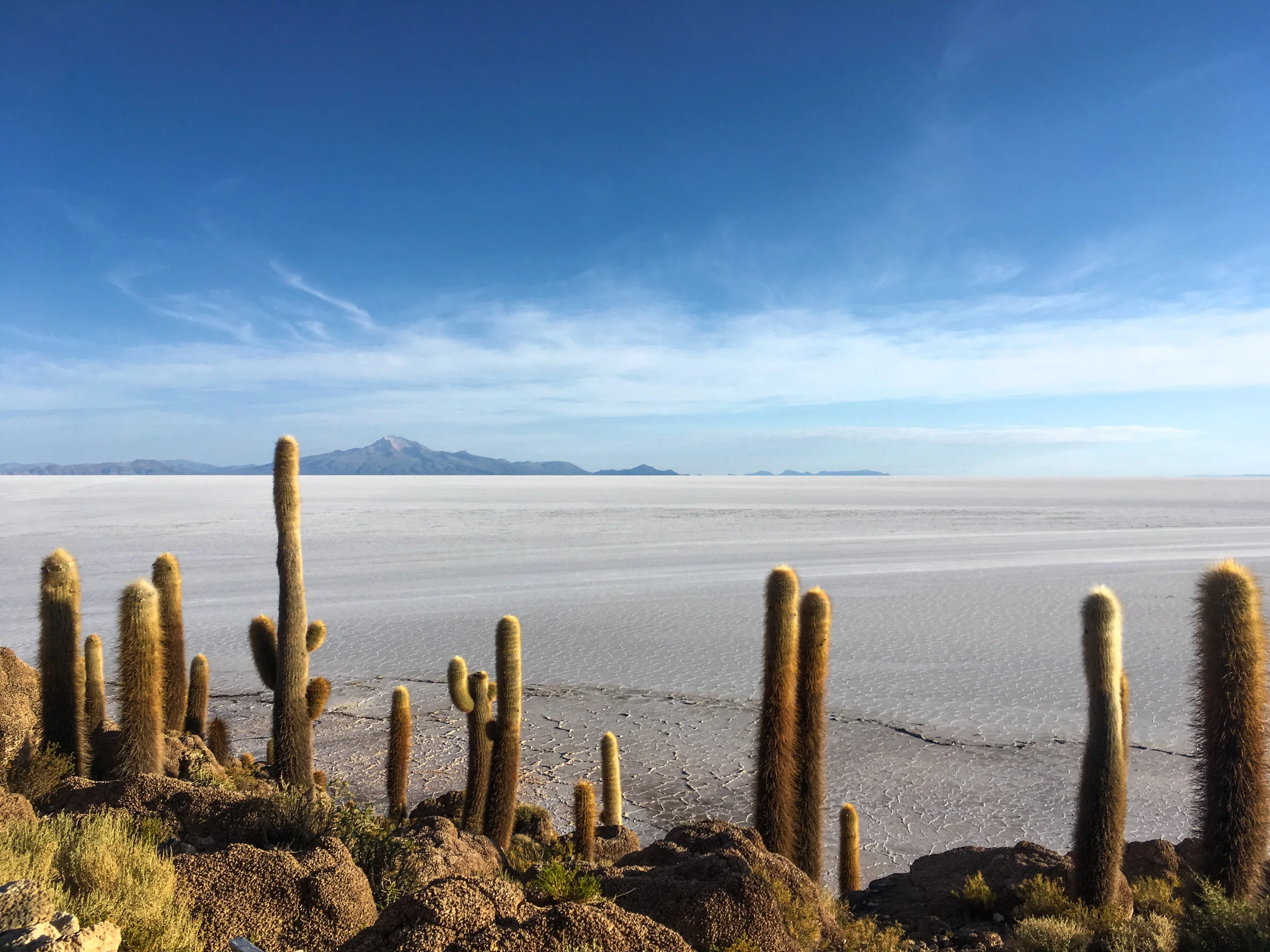
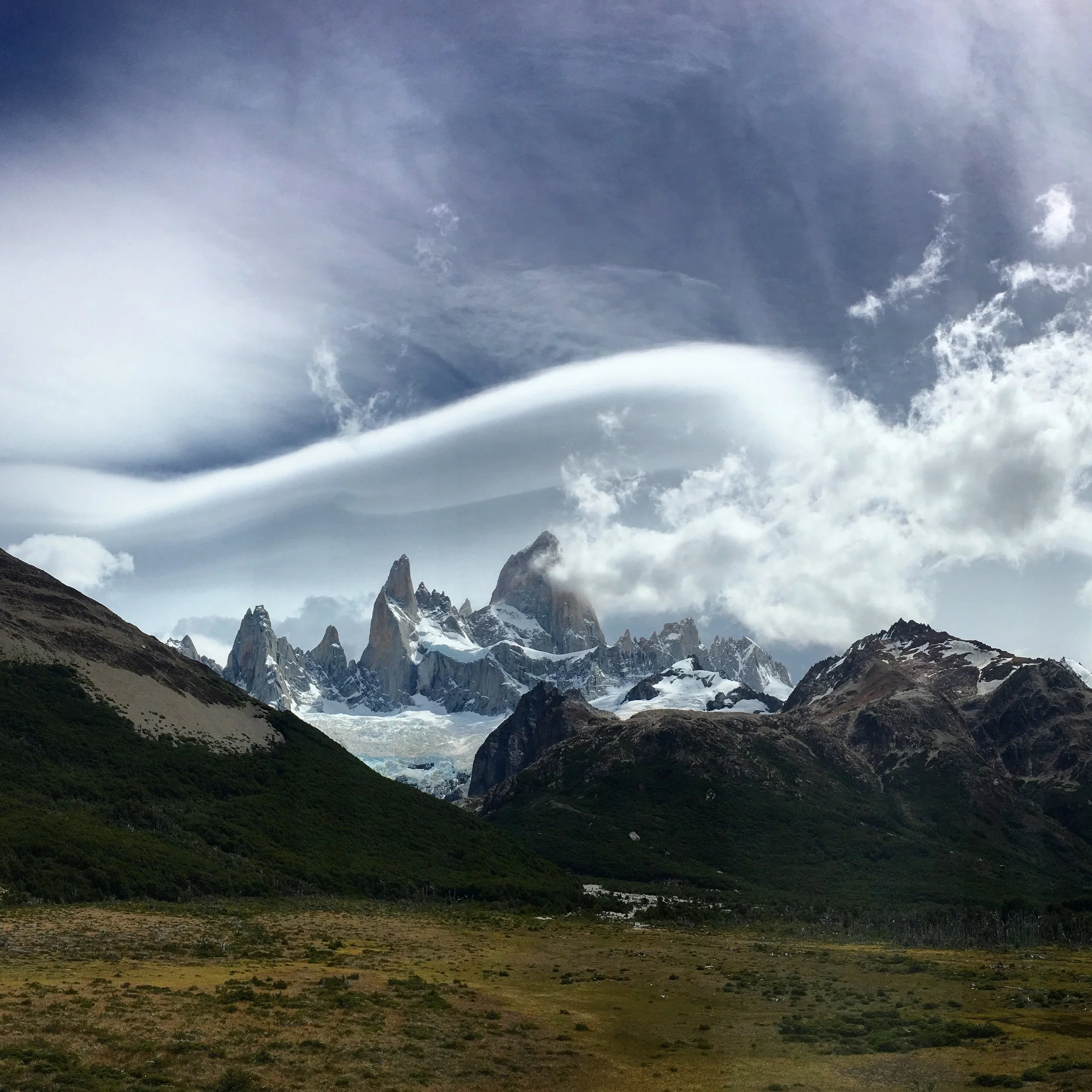
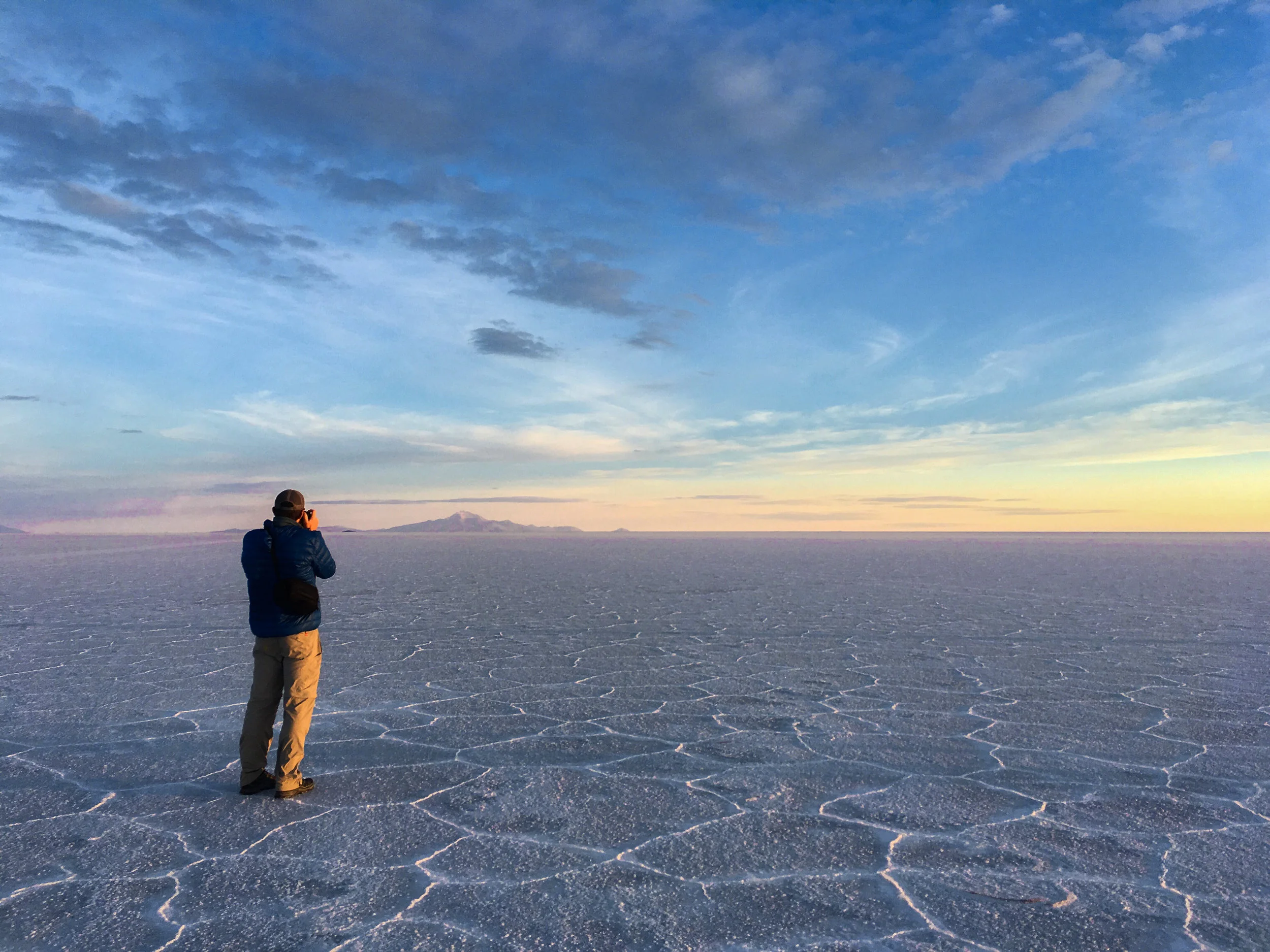
The highlight of the tour came on our third day when we woke up at 4am to watch the sun rise over the world’s largest salt flat, Salar De Unuyi. At over 4,000 square miles, the crystalized surface of the long since evaporated lake seemed to stretch forever. We watched in awe as the stark white sea in front of us cracked and glittered, illuminating itself in the morning glow. It was an environment more moon than earth - truly unlike anything we’ve ever seen.
Our tour finished in Uyuni. We said good bye to Orlando and our new friends and caught a local bus to Potosi. We didn’t know what to expect traveling into Bolivia, but it had definitely amazed us so far. And we were pretty excited to see what else it had in store.
-Brad